
A fever in an infant often signals an illness and can make any parent anxious. This guide explains how to spot fever symptoms, when to act for different ages, and how to care for your baby at home. It also outlines how to schedule a pediatric visit at Fairport Pediatrics, LLP, if you need professional help. You’ll finish with clear steps to make confident decisions about your baby’s health.
What Are the Common Symptoms of Baby Fever?
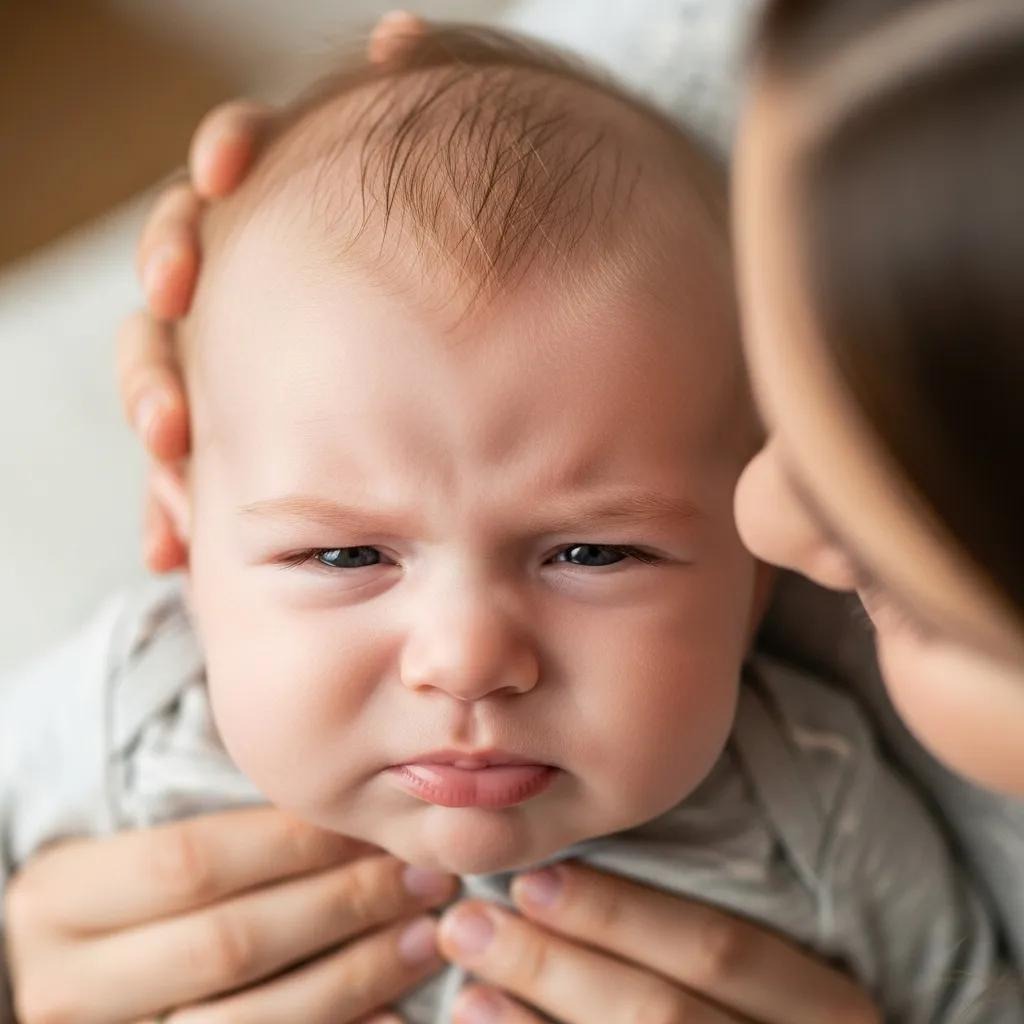
Fever means a higher-than-normal body temperature and often points to infection. Common signs are increased irritability, low energy, and poor appetite. Spotting these early lets you act sooner. Watch your baby’s behavior and physical cues, which can differ by age.
How to Recognize Fever Symptoms in Infants
Look for discomfort like constant crying or unusual fussiness and check the temperature regularly. If symptoms persist or your baby seems in distress, contact your pediatrician for advice and possible evaluation.
What Are the Infant Fever Guidelines and Age-Specific Temperature Thresholds?
Parents should know that fever thresholds vary by age. A commonly used cutoff is 100.4°F (38°C). Knowing these limits helps you decide when to monitor at home and when to seek medical care.
What Temperature Indicates a Fever in Babies of Different Ages?
| Age Group | Fever Threshold | Recommended Action |
|---|---|---|
| Under 3 months | 100.4°F (38°C) | Seek immediate medical attention |
| 3 to 6 months | 101°F (38.3°C) | Consult a pediatrician if persistent |
| 6 months to 2 years | 102°F (38.9°C) | Monitor closely; consult if symptoms worsen |
| Over 2 years | 103°F (39.4°C) | Consult a pediatrician if symptoms persist |
This table shows how temperature thresholds change with age. When in doubt, choose caution and check with your pediatrician.
When Should Parents Worry About a Baby’s Fever Based on Age?
Infants, especially the youngest, need quicker evaluation for fever. Watch for serious signs like trouble breathing, repeated vomiting, or a rash. Any fever in babies under three months warrants immediate medical attention. For older infants, monitor symptoms and call a pediatric doctor if you’re concerned.
The following points highlight specific signs that suggest a serious infection in infants and young children so parents know when to act. pediatric doctor visit
Recognizing Serious Fever Symptoms in Infants & Young Children
Factors that suggest serious infection include age younger than one month, poor arousability, petechial rash, delayed capillary refill, increased respiratory effort, and overall physician assessment. Urinary tract infections are the most common serious bacterial infection in children younger than three years, so evaluation for such infections should be performed in those with unexplained fever.
Management of fever in infants and young children, 2020
How Can Parents Manage Fever at Home and When Is Medical Attention Needed?
Home care often eases mild fevers, but you must know the warning signs that need medical attention. Use home measures to reduce discomfort, and seek care if emergency signs appear.
What Are Safe Home Care Practices for Fever Management in Babies?
Keep your baby hydrated and dressed in light clothes. Check the temperature regularly. Use acetaminophen or ibuprofen for babies older than six months to lower fever, and always confirm dosing with your pediatrician.
What Are the Emergency Signs That Require Immediate Pediatric Care?
Certain signs mean you should get immediate care. These include:
- Signs of Dehydration: If your baby is not drinking fluids or has a dry mouth and fewer wet diapers.
- Persistent High Fever: A fever that does not respond to medication or lasts more than three days.
- Unresponsiveness or Severe Irritability: If your baby is unusually lethargic or difficult to wake.
Knowing these emergency signs helps ensure your baby gets timely medical attention.
How to Schedule a Pediatric Appointment for Your Baby’s Fever at Fairport Pediatrics

If your baby has a fever, knowing how to book an appointment reduces stress. Fairport Pediatrics, LLP, provides acute illness care and preventive services for infants and children.
When and How Should Parents Contact a Pediatrician for Fever Concerns?
Call your pediatrician when your baby shows worrying symptoms like a high fever or odd behavior. Note the symptoms and any medicines given before the call to help the clinician advise you quickly. For more detailed information, visit pediatric doctor visit to help guide you.
What Is the Appointment Scheduling Process at Fairport Pediatrics?
Booking with Fairport Pediatrics is simple: call the office, describe your child’s symptoms, and the staff will help you schedule a visit and explain what to expect.
Knowing when to bring your baby to the doctor for a fever helps protect their health. Fairport Pediatrics offers expert care tailored to your child’s needs and is ready to support your family.
Frequently Asked Questions
What are the potential causes of fever in infants?
Fevers in infants can come from many sources: viral infections like colds or flu, bacterial infections such as urinary tract infections, and sometimes teething. Vaccines or overheating can also cause fevers. Less commonly, serious illnesses like meningitis may be involved. Watch for other symptoms and contact your pediatric doctor if the fever lasts or you see worrying signs.
How can I accurately measure my baby’s temperature?
Use a digital thermometer for reliable readings. For babies under three months, rectal temperatures are most accurate. For older infants, oral, underarm (axillary), or ear (tympanic) methods are acceptable. Follow the thermometer instructions and keep it clean. Regular checks let you spot changes and decide if medical care is needed.
Are there any home remedies for managing a baby’s fever?
While persistent fevers need a pediatrician’s input, some home steps can ease mild fevers: offer fluids, try a lukewarm sponge bath (avoid cold baths), and dress your baby lightly. Keep the room comfortable. Check with your pediatrician before trying remedies or giving medication.
What should I do if my baby has a fever after vaccination?
A mild fever after vaccination is common and usually means the immune system is responding. It’s generally not worrying unless it goes above 102°F (38.9°C) or lasts more than a couple of days. Manage mild fever with the right dose of acetaminophen or ibuprofen and check with your pediatric doctor for guidance.
How can I differentiate between a mild fever and a more serious condition?
Look at your baby’s overall condition and other symptoms. Mild fevers may cause slight fussiness; serious issues often include trouble breathing, persistent vomiting, or a rash. If your baby is limp, unresponsive, or the fever won’t drop with medication, seek immediate care. Trust your instincts as a parent.
What are the long-term effects of untreated fever in infants?
If a fever stems from a serious infection and goes untreated, complications can occur. Prolonged high fever can lead to dehydration, febrile seizures, or worsening illness. Early assessment prevents long-term problems. If fever persists or other concerning signs appear, contact a pediatrician promptly.
Conclusion
Knowing when to take your baby to the doctor for a fever is essential. Recognize symptoms, follow age-specific thresholds, and use safe home care while watching for warning signs. If you’re unsure, reach out to Fairport Pediatrics for expert guidance and to schedule an appointment so your child gets the right care.