

As spring approaches, it’s essential for families to prioritize their children’s health through a comprehensive pediatric health checklist. This guide focuses on the critical aspects of pediatric healthcare, including vaccines, allergy management, and the importance of well-child visits. Parents will learn how to navigate the seasonal challenges of spring allergies while ensuring their children receive the necessary vaccinations and routine check-ups. By understanding these components, families can foster a healthier environment for their children during this vibrant season. This article compiles established pediatric health guidelines tailored for the Fairport community, emphasizing practical steps for local families to maintain their children’s well-being during spring.
Importance and Timing of Well-Child Visits
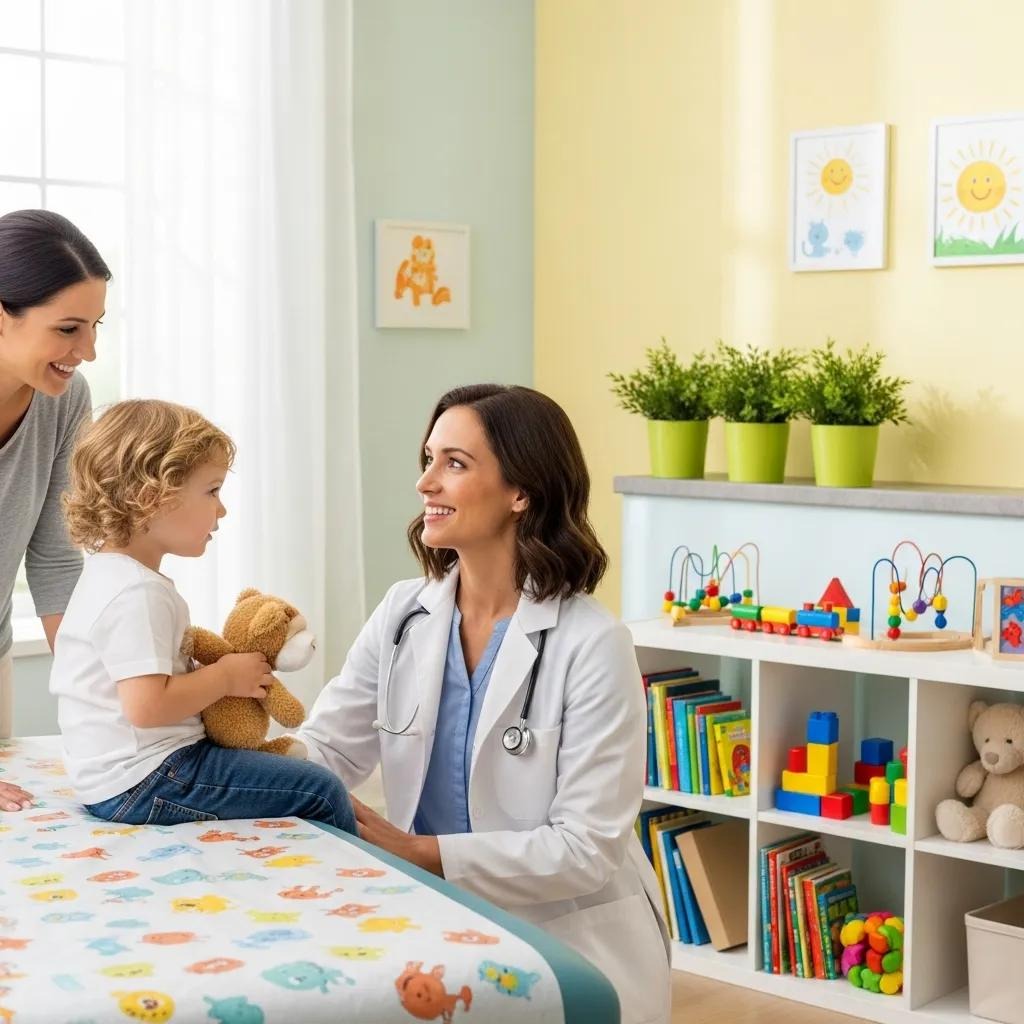
Well-child visits are crucial for monitoring a child’s growth and development, ensuring they meet important health milestones. These visits typically occur at specific ages, such as 2, 4, 6, 12, 15, and 18 months, and then annually thereafter. Regular check-ups allow healthcare providers to assess physical health, developmental progress, and emotional well-being. Additionally, these visits provide an opportunity for parents to discuss any concerns regarding their child’s health or behavior.
Scheduling well-child visits during spring is particularly beneficial as it aligns with the time when children may be exposed to seasonal allergies. By addressing health concerns early, families can ensure their children are well-prepared for the upcoming months. Fairport Pediatrics, LLP encourages families to register as new patients and schedule their appointments to maintain their children’s health effectively.
Detailed Vaccine Schedule and Benefits
Vaccination is a vital component of pediatric healthcare, protecting children from various preventable diseases. The following table outlines the recommended vaccines for children during spring, along with their benefits:
| Vaccine | Recommended Age | Benefits |
|---|---|---|
| DTaP | 2, 4, 6 months | Protects against diphtheria, tetanus, and pertussis |
| IPV | 2, 4, 6-18 months | Prevents polio infection |
| MMR | 12-15 months | Protects against measles, mumps, and rubella |
| Varicella | 12-15 months | Prevents chickenpox |
| HepA | 12-23 months | Protects against hepatitis A |
These vaccines not only safeguard individual health but also contribute to community immunity, reducing the spread of infectious diseases. Parents should consult with their pediatrician to ensure their child’s immunization schedule is up to date.
Indeed, the broader impact of vaccination extends to public health, underscoring how adherence to immunization schedules significantly influences community well-being.
Child Immunization Compliance & Community Health
of prevention in child health-the obtaining of immunization for discase. Compliance to suggested immunization schedules for children constitutes a major influence on community health
Prevention and community compliance to immunization schedules, 1987
What vaccines are recommended for children in spring?
The vaccines recommended for children in spring include DTaP, IPV, MMR, Varicella, and HepA. Each vaccine plays a crucial role in preventing serious illnesses and ensuring children’s health as they grow.
Identifying and Managing Spring Allergies
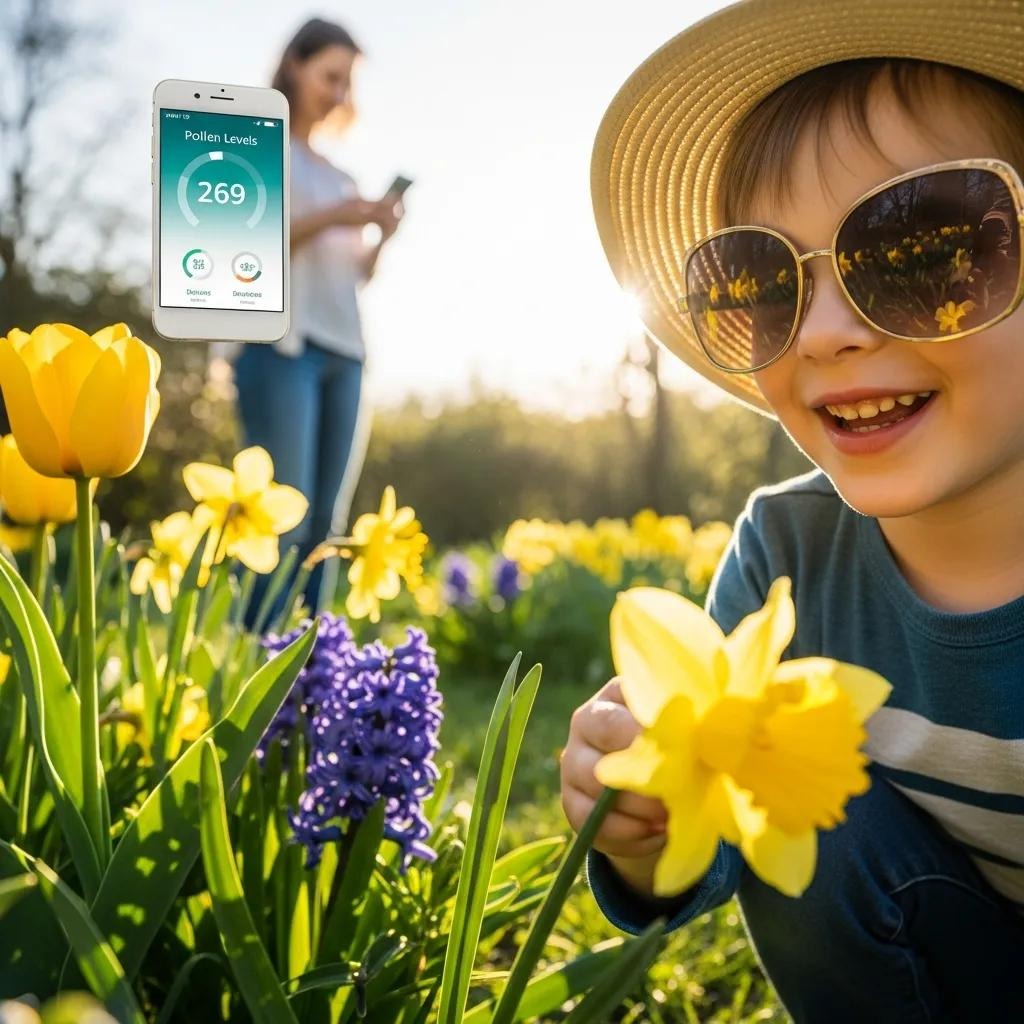
Spring often brings a surge in allergens, such as pollen from trees, grasses, and flowers, which can trigger allergic reactions in children. Recognizing the symptoms of spring allergies is essential for effective management. Common symptoms include sneezing, runny or stuffy nose, itchy eyes, and coughing.
To manage spring allergies, parents can take several proactive steps:
- Monitor Pollen Counts: Keep an eye on local pollen forecasts to minimize outdoor activities during high pollen days.
- Create Allergen-Free Zones: Ensure that your home is a safe space by keeping windows closed and using air purifiers.
- Consult a Pediatrician: If symptoms persist, seek advice from a healthcare provider for potential allergy testing and treatment options.
By understanding how to identify and manage spring allergies, families can help their children enjoy the season without discomfort. Fairport Pediatrics, LLP is dedicated to providing comprehensive allergy care to support families in Fairport, NY.
Further research highlights a comprehensive approach to managing pediatric allergic rhinitis, integrating environmental control, immunotherapy, and pharmacologic treatments.
Pediatric Allergic Rhinitis: Diagnosis & Management Strategies
A tripartite treatment strategy that embraces environmental control, immunotherapy, and pharmacologic treatment is the most comprehensive approach. Immunotherapy has come to be viewed as potentially prophylactic, capable of altering the course of allergic rhinitis. The most recent guidelines for the management of allergic rhinitis issued by the WHO recommend a tiered approach that integrates diagnosis and treatment, in which allergic rhinitis is subclassified both by frequency, as either intermittent or persistent, and by severity, as either mild or moderate to severe. Oral or topical antihistamines and intranasal corticosteroids are the mainstay of pharmacologic therapy for allergic rhinitis, depending upon its severity, and several agents
Allergic rhinitis in children: diagnosis and management strategies, 2004
This spring, prioritize your child’s health by following this pediatric health checklist, ensuring they receive the necessary vaccinations, and managing any allergy symptoms effectively. With the right approach, families can navigate the season with confidence and care.
Frequently Asked Questions
What should I do if my child has allergy symptoms?
If your child exhibits allergy symptoms such as sneezing, a runny nose, or itchy eyes, it’s important to first monitor their symptoms and identify potential allergens. Keeping track of pollen counts can help you minimize outdoor exposure on high pollen days. Additionally, creating allergen-free zones in your home, such as keeping windows closed and using air purifiers, can provide relief. If symptoms persist, consult a pediatrician for further evaluation and possible allergy testing or treatment options.
How can I prepare my child for a well-child visit?
Preparing your child for a well-child visit can help ease any anxiety they may have. Start by explaining the purpose of the visit in simple terms, emphasizing that it’s a routine check-up to ensure they are healthy. You can also encourage them to ask questions about their health. Bringing along any relevant medical records or notes about your child’s behavior or health concerns can be beneficial for the pediatrician. Lastly, ensure your child is well-rested and fed before the appointment.
What are the side effects of common vaccines?
Common vaccines can have mild side effects, which are generally short-lived. These may include soreness at the injection site, mild fever, or irritability. More serious side effects are rare but can occur. It’s important to discuss any concerns with your pediatrician, who can provide detailed information about the specific vaccines your child will receive. Monitoring your child after vaccination for any unusual reactions is also advisable, and you should report any significant side effects to your healthcare provider.
How can I help my child cope with seasonal allergies?
Helping your child cope with seasonal allergies involves a combination of preventive measures and treatment strategies. Encourage them to stay indoors during high pollen counts and to wear sunglasses outside to protect their eyes. Regularly washing their hands and changing clothes after outdoor play can reduce allergen exposure. Discussing the use of antihistamines or nasal sprays with your pediatrician can also be effective. Teaching your child to recognize their symptoms and communicate them can empower them to manage their allergies better. For more detailed information, you can visit our about page.
What is the importance of community immunity?
Community immunity, or herd immunity, is crucial for protecting those who cannot be vaccinated, such as infants or individuals with certain health conditions. When a significant portion of the population is vaccinated, the spread of contagious diseases is reduced, making it less likely for outbreaks to occur. This collective protection helps safeguard vulnerable members of the community. Parents are encouraged to keep their children’s vaccinations up to date to contribute to this vital public health measure.
When should I schedule my child’s next well-child visit?
Well-child visits are typically scheduled at specific ages, including 2, 4, 6, 12, 15, and 18 months, and then annually thereafter. It’s advisable to schedule these visits during spring, especially if your child has seasonal allergies, as it allows for timely discussions about health concerns. If your child has missed a scheduled visit, contact your pediatrician to arrange an appointment as soon as possible. Regular check-ups are essential for monitoring growth, development, and overall health.
Conclusion
This spring, ensuring your child’s health through vaccinations and effective allergy management is essential for their well-being. By following the pediatric health checklist, families can foster a healthier environment and navigate seasonal challenges with confidence. Don’t hesitate to reach out to Fairport Pediatrics, LLP for expert guidance and support tailored to your child’s needs. Schedule your well-child visit today to keep your family thriving this season.