
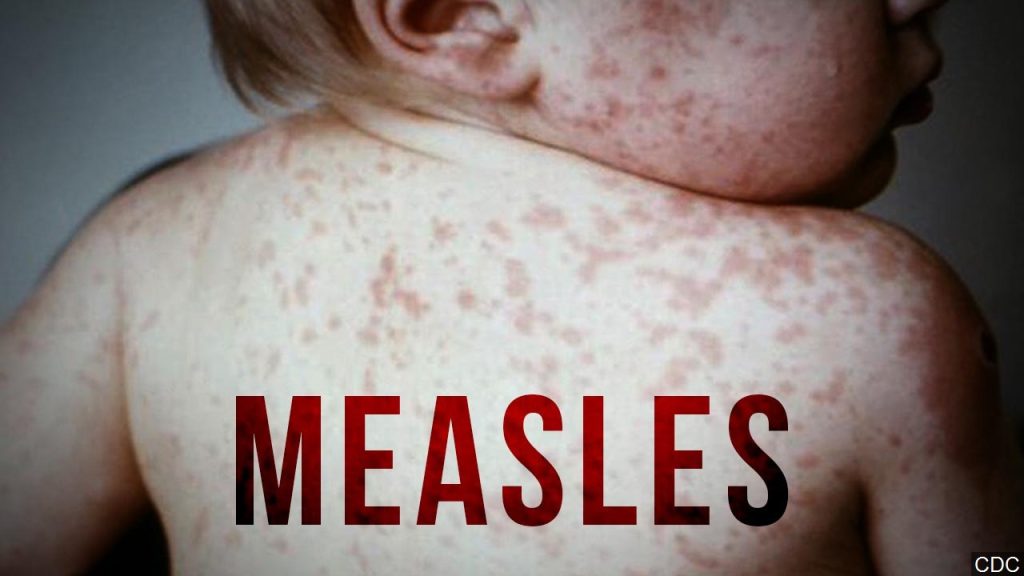
Measles is a highly contagious viral illness that can cause high fever, cough, red eyes, and a distinctive rash. Although measles was once uncommon in the United States because of widespread vaccination, outbreaks can still occur when the virus is introduced into communities where people are not fully protected.
For parents and caregivers, knowing the signs of measles and understanding how it spreads can help protect your child, your family, and other vulnerable members of the community.
What Is Measles?
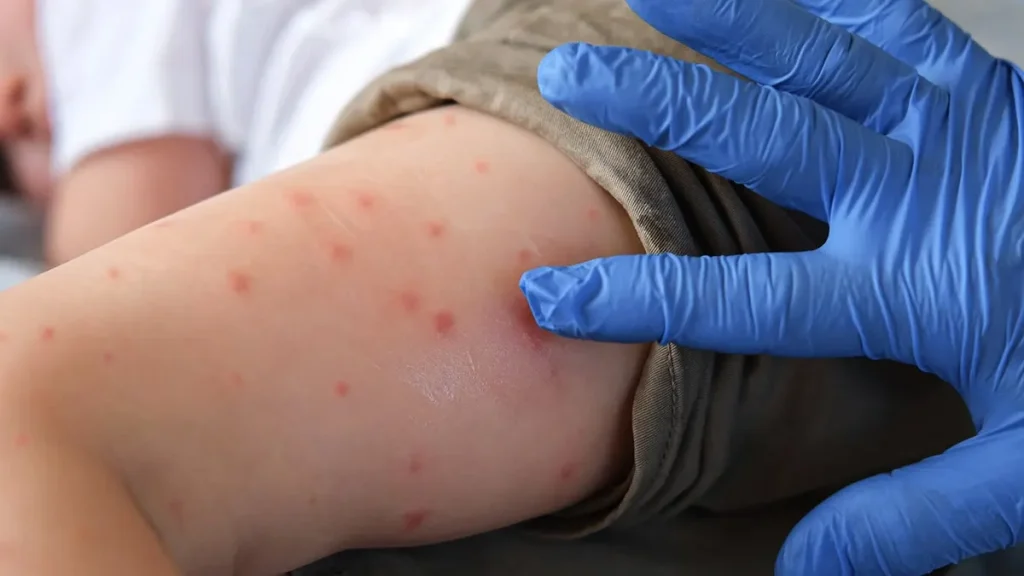
Measles is a viral infection caused by the measles virus. It primarily affects the respiratory system before causing symptoms throughout the body.
According to the World Health Organization and the Centers for Disease Control and Prevention, measles is one of the world’s most contagious infectious diseases. It can lead to serious complications, particularly in young children and people with weakened immune systems.
Sources: World Health Organization – Measles and CDC – Measles
What Are the Symptoms of Measles?
Measles symptoms typically begin with symptoms that can initially look similar to a respiratory infection.
Common symptoms include:
- High fever, which can reach 104°F or higher
- Cough
- Runny nose
- Red, watery eyes
- Tiny white spots inside the mouth, known as Koplik spots
- A red rash that usually begins on the face and spreads downward across the body
The rash typically appears after the initial fever and respiratory symptoms have already begun.
Learn more from the CDC’s guide to measles signs and symptoms and the American Academy of Pediatrics.
What Does a Measles Rash Look Like?
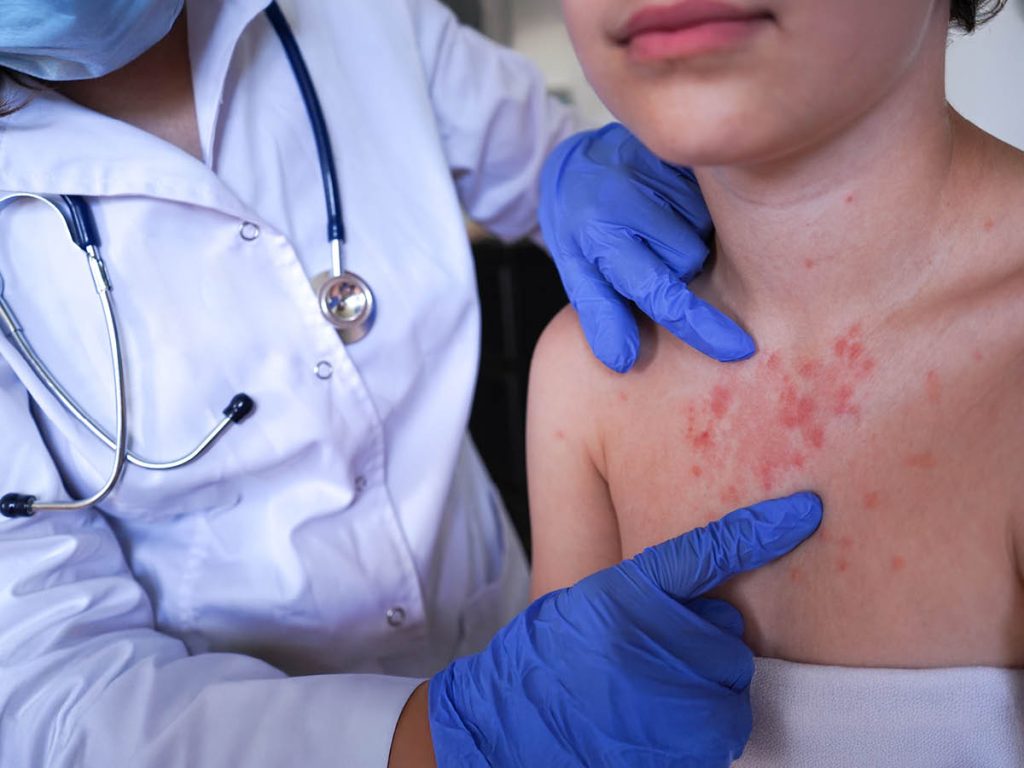
The measles rash generally begins as flat red spots around the face or hairline before spreading down the neck, chest, arms, legs, and feet.
Some spots may become raised or join together as the rash progresses.
A rash alone does not confirm measles. Many childhood illnesses can cause rashes, so parents should contact their pediatrician if they are concerned rather than trying to diagnose the illness at home.
How Does Measles Spread?
Measles spreads primarily through the air.
An infected person can release the virus into the air when they:
- Cough
- Sneeze
- Talk or breathe around others
Because measles is so contagious, people can potentially become infected after being in a space where someone with measles has recently been.
This makes early identification and proper infection-control precautions especially important.
Sources: National Foundation for Infectious Diseases and Johns Hopkins Medicine.
Why Is Measles Taken So Seriously?
While some children recover without lasting problems, measles is not simply a harmless childhood rash.
Complications can occur and may include:
- Ear infections
- Diarrhea and dehydration
- Pneumonia
- Serious respiratory illness
- Neurologic complications such as inflammation of the brain
- Hospitalization in severe cases
The risk of complications can be greater for infants, young children, pregnant individuals, and people with weakened immune systems.
This is one reason pediatric practices take potential measles exposure seriously, even before a diagnosis has been confirmed.
How Can Measles Be Prevented?
The MMR Vaccine
The best protection against measles is vaccination with the MMR vaccine, which protects against:
- Measles
- Mumps
- Rubella
The CDC recommends two doses of MMR vaccine as part of the routine childhood immunization schedule.
Two doses provide very strong protection against measles.
Parents who are unsure whether their child is fully vaccinated should contact their pediatrician to review their child’s immunization history and discuss whether any additional vaccination is recommended.
More information is available from the CDC’s measles resources.
Is There a Treatment for Measles?
There is no routine antiviral cure that eliminates measles once someone becomes infected.
Treatment generally focuses on supportive care, including:
- Managing fever
- Maintaining hydration
- Rest
- Monitoring breathing
- Watching for complications
Children with suspected or confirmed measles should be evaluated by a healthcare professional.
In certain situations, additional medical treatment may be necessary depending on the child’s age, health history, symptoms, or risk of complications.
What Should I Do If I Think My Child Has Measles?
If your child develops symptoms that could be consistent with measles, particularly fever combined with rash, cough, runny nose, or red eyes, call your pediatrician before entering the office.
This is important because bringing a potentially contagious child directly into a waiting room could expose:
- Newborns
- Infants who are not yet fully vaccinated
- Immunocompromised children
- Other medically vulnerable patients
- Families and healthcare workers
Calling first allows the medical team to determine the safest way to evaluate your child.
When Should I Contact Fairport Pediatrics?
Contact Fairport Pediatrics if:
- Your child develops a high fever and rash
- Your child has cough, runny nose, and red or watery eyes along with fever
- You believe your child may have been exposed to someone with measles
- You are unsure whether your child has received the recommended MMR vaccines
- You have questions about your child’s vaccine schedule
- You are concerned about symptoms following a possible exposure
If you believe your child may have measles, please call our office before coming inside.
This allows our team to prepare appropriately and reduce the chance of exposing other children in the practice.
Protecting Our Entire Pediatric Community
At Fairport Pediatrics, our responsibility extends beyond treating illness after it occurs. We also work to reduce the spread of contagious diseases and protect children who may be especially vulnerable to infection.
That includes infants who are too young to receive certain vaccines, children receiving treatments that affect their immune systems, and patients who cannot receive specific vaccines for medical reasons.
Simple precautions — including vaccination, recognizing symptoms early, and contacting your pediatrician before arriving when measles is suspected — can make a significant difference.
Frequently Asked Questions About Measles
Is measles highly contagious?
Yes. Measles is considered one of the most contagious viral illnesses. It spreads primarily through the air when an infected person coughs, sneezes, or breathes around others.
What are the first signs of measles?
Early symptoms commonly include high fever, cough, runny nose, and red or watery eyes. A rash generally develops afterward.
Where does the measles rash usually start?
The rash commonly begins on the face and then spreads downward across the body.
Can a vaccinated child still get measles?
Vaccination provides very strong protection, particularly after two doses, but no vaccine provides absolute protection in every individual.
Is there a cure for measles?
There is no specific routine cure for measles. Treatment focuses on supportive care and managing symptoms and complications.
Should I take my child directly to the pediatrician if I suspect measles?
Call your pediatrician first. Because measles is so contagious, your medical team may want to bring your child directly into an examination room or make other arrangements that prevent exposure to people in the waiting room.
How do I know whether my child is vaccinated against measles?
Your pediatrician can review your child’s vaccination records and explain whether your child is up to date with the recommended MMR vaccine schedule.
Have Questions About Measles or Your Child’s Vaccination Status?
If you have concerns about measles, possible exposure, symptoms, or your child’s vaccination history, please contact Fairport Pediatrics.
Our team is here to answer your questions, help you understand the latest recommendations, and provide appropriate care for your child.
If your child has fever, rash, cough, red eyes, or a known or suspected measles exposure, please call the office before entering the building.